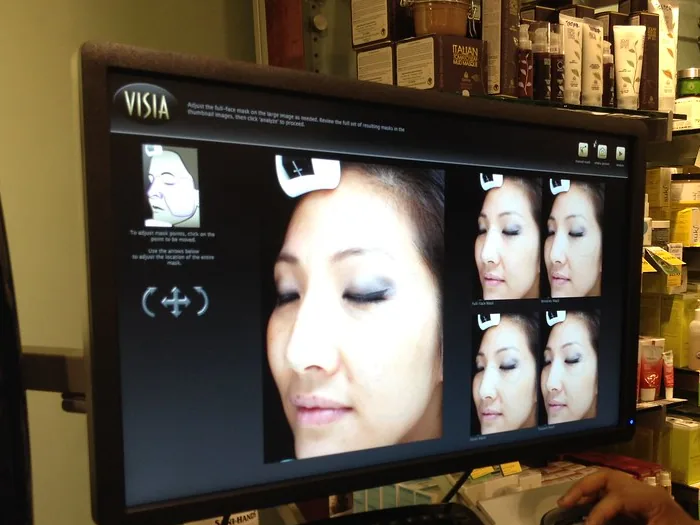
AI face & skin aging scan
A camera-based imaging analysis that maps skin texture, pigmentation, and visible aging markers, used to establish a baseline and track change from skin treatments over time.
Every treatment starts with a proper assessment. A clinician reviews your case before anything is recommended.
Conditions treated
What it is & how it works
A standardized, camera-based imaging system that captures high-resolution facial images under controlled lighting and uses software analysis to map skin texture, pigmentation, pore visibility, and other visible aging markers against reference ranges, producing a baseline that can be compared against future scans.
How it's done
A brief, painless imaging session (roughly 5–10 minutes) with a clean, makeup-free face positioned in a standardized imaging unit; results are generated automatically and reviewed by a clinician alongside the patient's goals to inform a skin-treatment plan, with a repeat scan typically done every few months to track change objectively.
Why Unfold Longevity
Used to establish an objective, photographic baseline and track change from skin treatments over time, rather than relying on subjective before/after impressions alone.
Evidence & safety
A screening and tracking tool for visible skin markers, not a diagnostic test for skin disease; any suspicious lesion or finding is referred for standard dermatological evaluation. Non-invasive, no known risk.
Related questions
What does the scan actually measure?
It captures standardized, high-resolution images under controlled lighting and analyzes skin texture, pigmentation, pore visibility, and other visible aging markers, producing an objective baseline that later scans can be compared against — rather than relying on subjective before/after photos taken under different lighting.
Can it diagnose skin conditions like melanoma?
No. It's a screening and tracking tool for cosmetic and aging-related skin markers, not a diagnostic test for skin disease. Any mole, lesion, or finding that looks concerning is referred for standard dermatological evaluation rather than assessed by the scan alone.
Care is individualized and outcomes vary between patients.
More in Diagnostics
 Advanced metabolomics profilingRead more
 Biological-age / longevity diagnosticsRead more
 Cardiometabolic risk panelsRead more
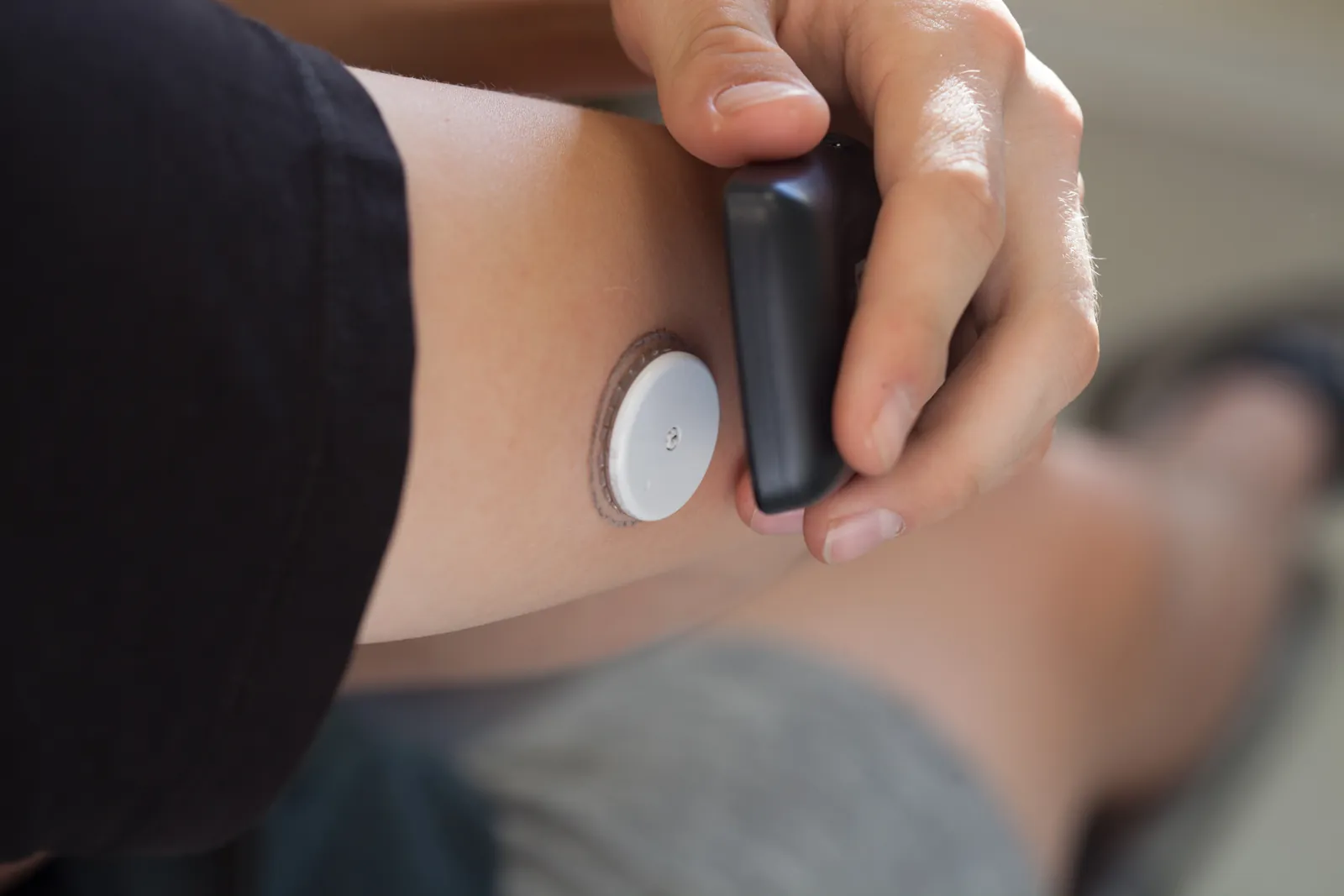 Continuous glucose monitoringRead more
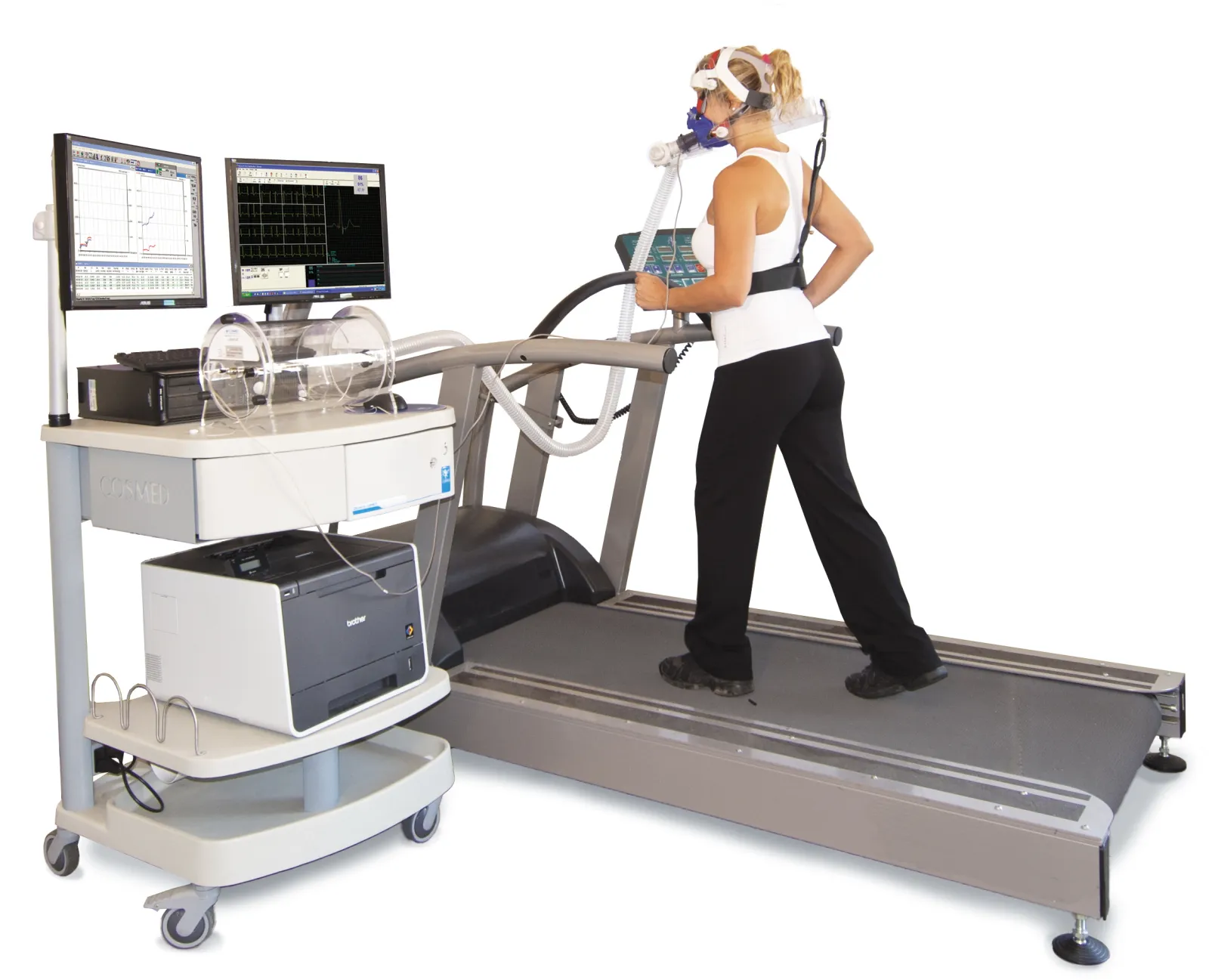 CPET (Cardiopulmonary Exercise Testing)Read more
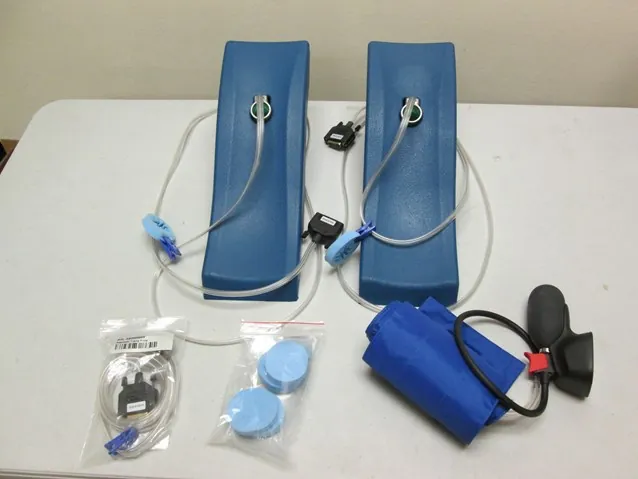 EndoPAT (endothelial function testing)Read more
 Executive health screening packagesRead more
 Genetic / genomic testingRead more
 Gut microbiota testingRead more
 OligoScan (trace mineral & heavy metal screening)Read more